
Need a Deep Clean Chicago? Complete Guide to Home Deep Cleaning Services

Home Deep Cleaning Service in Chicago A home can look tidy without being thoroughly clean. Dust can collect on baseboards, vents, ceiling fans, window tracks, and areas behind furniture. Kitchens can develop grease and food buildup around cabinets, appliances, backsplashes, and cooking surfaces. Bathrooms can accumulate soap residue, grime, and buildup around tile, grout, fixtures, and hard-to-reach areas. That is where a home deep cleaning service can make a difference. Our Chicago home deep cleaning service is designed for homeowners, renters, families, landlords, and anyone who wants a more detailed clean than routine housekeeping provides. Instead of focusing only on the most visible surfaces, deep cleaning works systematically through the home to address accumulated dust, dirt, grease, residue, and overlooked areas. Whether you need a one-time deep clean, a seasonal reset, a move-in cleaning, a move-out cleaning, or a detailed clean before or after an important event, we can tailor the service to the condition and needs of your home. What Is Home Deep Cleaning? Home deep cleaning is a detailed cleaning process that goes beyond everyday housekeeping. Regular cleaning is generally focused on maintaining a home’s cleanliness through tasks such as vacuuming, mopping, dusting, wiping surfaces, and cleaning commonly used areas. Deep cleaning gives additional attention to areas that are less frequently cleaned or require more time and detail. Depending on the service selected, deep cleaning may include: Detailed dusting of surfaces and accessible areas Baseboards and door frames Window sills and tracks Ceiling fans and light fixtures Vents and registers Kitchen cabinets and handles Countertops and backsplashes Appliances and appliance exteriors Sinks and fixtures Bathroom tile and grout Shower and tub areas Floors, edges, and corners Areas underneath and behind accessible furniture The exact checklist can vary depending on the cleaning company, property condition, package, and requested add-ons. Deep Cleaning vs. Regular House Cleaning One of the most common questions Chicago homeowners ask is: “What is the difference between regular cleaning and deep cleaning?” The simplest distinction is that regular cleaning focuses on maintenance, while deep cleaning focuses on more detailed cleaning and accumulated buildup. Regular Cleaning Deep Cleaning Routine maintenance Detailed cleaning Visible surfaces Visible and commonly overlooked areas Regular vacuuming Detailed floor and edge cleaning Routine bathroom cleaning More detailed bathroom cleaning Surface kitchen cleaning More detailed kitchen cleaning Regular dusting Detailed dusting of additional areas Designed for recurring visits Often used as a one-time or periodic reset A deep cleaning may also take substantially longer than a routine cleaning because cleaners are addressing more areas and spending additional time on detailed tasks. One Chicago cleaning provider, for example, describes deep cleaning as taking two to four times longer than a standard clean, illustrating why homeowners should not expect both services to have the same scope or duration. What Is Included in a Chicago Home Deep Cleaning? The most important thing to understand before booking a cleaning service is the scope of work. Rather than assuming every company includes the same tasks, ask for a detailed checklist. Kitchen Deep Cleaning The kitchen is one of the areas where deep cleaning can go significantly beyond everyday housekeeping. Depending on your selected service, kitchen cleaning may include: Countertops Backsplash Sink and faucet Cabinet fronts Cabinet handles Appliance exteriors Microwave Stovetop Range hood and accessible areas Kitchen floors Corners and edges Accessible areas around appliances Heavy grease, baked-on residue, or interior appliance cleaning may require additional time or specialized services. Bathroom Deep Cleaning Bathrooms require detailed attention because moisture, soap residue, grime, and mineral buildup can accumulate in areas that are not always addressed during routine cleaning. A bathroom deep clean may include: Toilet Sink Vanity Faucets Mirrors Shower Bathtub Tile Grout Shower doors Shower tracks Bathroom floors Baseboards Accessible fixtures Vent covers or fans where included The condition of tile and grout can affect how much time is required. Deep cleaning should not be confused with guaranteed removal of every permanent stain, discoloration, or damaged surface. For example, Chicago cleaning companies currently advertise services that may include cabinet fronts, range hoods, appliance cleaning, backsplashes, sinks, and detailed kitchen floors. Bedrooms Bedroom deep cleaning may include: Dusting furniture Cleaning accessible surfaces Baseboards Door frames Light fixtures Ceiling fans Window sills Vacuuming floors and carpets Mopping applicable flooring Cleaning accessible areas underneath furniture Before the cleaning begins, homeowners can improve access by removing clutter and personal belongings from surfaces. Living Room and Common Areas Common-area cleaning may include: Dusting furniture Tables and accessible surfaces Baseboards Door frames Light switches Ceiling fans Vents Window sills Floors Corners Accessible areas underneath furniture Entryways and Hallways These high-traffic areas can collect dust and debris quickly. A detailed clean may address: Floors Baseboards Door frames Doors Light switches Corners Accessible surfaces Areas Homeowners Commonly Forget to Clean A major benefit of deep cleaning is addressing areas that are easy to overlook. Common examples include: Behind furniture Under beds Window tracks Baseboards Cabinet tops Door frames Ceiling fan blades Light fixtures Vent covers Appliance edges Bathroom grout Corners and floor edges Recent cleaning guidance also highlights areas such as baseboards, cabinets, appliance surfaces, toilet exteriors, and vent covers as commonly overlooked parts of a home. These areas don’t necessarily need to be cleaned every day. The point of periodic deep cleaning is to prevent them from being permanently forgotten. When Should You Book a Home Deep Cleaning Service? There is no single schedule that applies to every household. You may benefit from a deep clean when: You Have Not Had a Professional Cleaning in a Long Time If your home has only received basic routine cleaning, accumulated dust and grime may make a detailed clean worthwhile. You Are Moving Into a New Home An empty property is easier to clean because furniture and belongings do not obstruct access. Move-in cleaning commonly focuses on kitchens, bathrooms, floors, cabinets, appliances, trim, and other accessible areas. Chicago cleaning providers specifically market move-in/move-out services for tenants, landlords, and homeowners. Learn more about move-in / move-out cleaning. You Are
7 Costly Move Out Cleaning Mistakes Chicago Renters Make
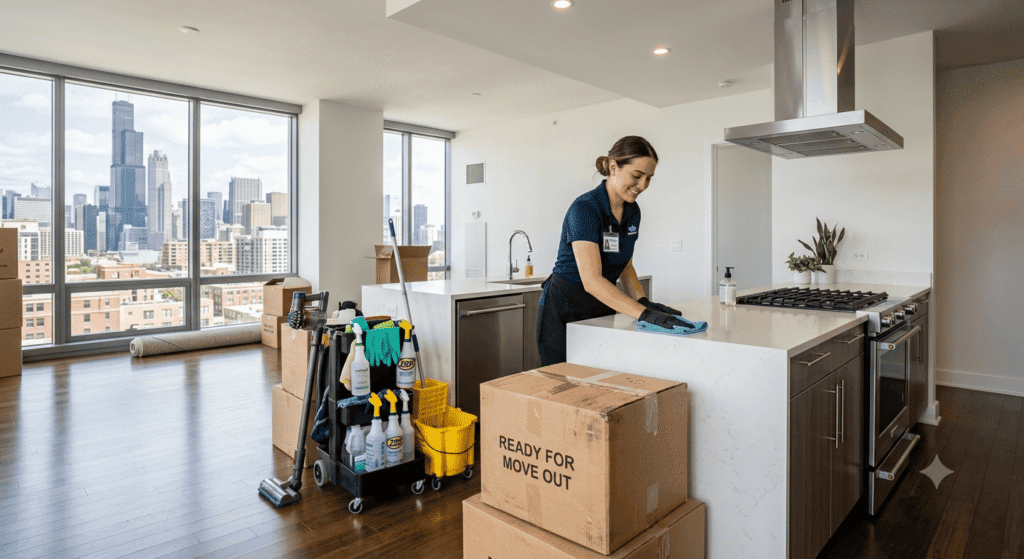
Moving out of a Chicago apartment can feel overwhelming. Between packing boxes, scheduling movers, transferring utilities, and meeting your lease deadline, cleaning often becomes the last item on your checklist. Unfortunately, that’s exactly why many renters make costly mistake. The biggest move-out cleaning mistake isn’t forgetting to vacuum the living room or wipe down the kitchen counters. It’s believing that an apartment is “clean enough” when it isn’t inspection-ready. Many rental units appear spotless at first glance but still fail a landlord’s final walkthrough because hidden areas—like the inside of the oven, refrigerator shelves, baseboards, bathroom grout, and cabinet interiors—haven’t been cleaned thoroughly. For Chicago renters, these overlooked details can lead to cleaning deductions from a security deposit, additional move-out fees, or delays in closing out a lease. While every lease agreement is different and deductions depend on the property’s condition and applicable laws, incomplete cleaning is one of the most common reasons landlords need to hire professional cleaners before welcoming the next tenant. The good news? Most of these deductions are preventable with proper planning, a detailed cleaning checklist, and an understanding of what landlords actually inspect. In this guide, you’ll learn: The biggest move-out cleaning mistakes renters make What Chicago landlords typically inspect Hidden areas most tenants forget to clean DIY vs. professional move-out cleaning A complete move-out cleaning checklist Practical tips to improve your chances of receiving your full security deposit Key Takeaways If you’re short on time, here are the most important points to know before moving out. The biggest move-out cleaning mistake is assuming a home is ready for inspection because it looks tidy. Landlords often inspect hidden areas such as ovens, refrigerators, cabinets, baseboards, bathroom grout, and window tracks. Deep cleaning is different from routine cleaning and is often expected before a new tenant moves in. Taking photos after cleaning helps document the property’s condition during move-out. Professional move-out cleaning can save time and reduce the risk of missing important inspection areas. What Is the Biggest Move-Out Cleaning Mistake? The biggest move-out cleaning mistake is assuming visible cleanliness is enough. During a final inspection, landlords often check hidden areas such as kitchen appliances, cabinet interiors, bathroom grout, baseboards, window tracks, and light fixtures. Missing these areas can lead to cleaning deductions and reduce the amount of your security deposit that’s returned. This is where many renters unintentionally lose money. After spending hours cleaning floors and countertops, they overlook the details that property managers inspect every day. A unit may appear clean to the tenant but still require professional cleaning before it’s ready for the next occupant. The lesson is simple: clean for the inspection—not just for appearances. Why This Mistake Can Cost Renters Hundreds—or Even More There’s no universal “move-out cleaning fee.” The amount a tenant may be charged depends on factors such as the lease agreement, the condition of the property, and the actual cleaning required. However, cleaning costs can add up quickly when multiple issues are found, especially if professional services are needed to restore the apartment to a move-in-ready condition. Common expenses may include: Cleaning Issue Why It Matters Greasy oven Requires heavy-duty degreasing and extra labor Dirty refrigerator Food residue and odors must be removed before a new tenant moves in Bathroom soap scum Deep scrubbing may be needed to remove buildup Pet hair and odors Can require specialized cleaning and deodorizing Carpet stains Spot treatment or professional carpet cleaning may be necessary Heavy dust buildup Slows apartment turnover and affects overall presentation Sticky cabinets and drawers Leaves a poor impression and requires additional cleaning time While one missed item might not seem like a big deal, several overlooked areas together can increase cleaning time and costs. Why Chicago Landlords Expect More Than Surface Cleaning Chicago’s rental market moves quickly. Property owners and managers often have only a short window between one tenant moving out and another moving in. To prepare the unit, they typically need to: Inspect the apartment for cleanliness and damage. Complete any maintenance or repairs. Deep clean the property if necessary. Ensure the home is ready for the next tenant. Because of these tight turnaround times, landlords generally expect the apartment to be left in a clean, presentable condition as outlined in the lease. This doesn’t mean the property must look brand new, but it should be free of excessive dirt, grease, food residue, trash, and avoidable cleaning issues. Surface Cleaning vs. Move-Out Cleaning One of the biggest misconceptions renters have is believing these two terms mean the same thing. They don’t. Surface Cleaning Move-Out Cleaning Wiping visible counters Cleaning inside cabinets and drawers Vacuuming open floors Cleaning behind appliances (where safe and accessible) Emptying trash Deep cleaning the oven and refrigerator Quick bathroom wipe-down Removing soap scum, mildew, and hard-water stains Dusting visible furniture Cleaning baseboards, vents, trim, and light fixtures A move-out clean is more detailed because the apartment is empty. Without furniture in the way, inspectors can easily see areas that are normally hidden. What Do Landlords Check During a Move-Out Inspection? During a move-out inspection, landlords typically examine kitchens, bathrooms, appliances, floors, walls, windows, closets, and other areas to determine whether the property has been left clean and in the condition required by the lease. They also look for damage beyond normal wear and tear and any cleaning issues that could delay the next tenant’s move-in. Although every property manager follows their own process, most inspections focus on the same high-impact areas. Kitchen The kitchen is often the first room inspected because it tends to require the most cleaning. Inspectors commonly check: Oven interior Stovetop and burners Range hood Microwave Refrigerator shelves and drawers Freezer Sink Countertops Cabinets (inside and outside) Floors Bathroom Bathrooms reveal how thoroughly an apartment has been cleaned. Common inspection points include: Toilet Bathtub Shower Grout Caulking Mirrors Vanity Sink Exhaust fan Floors Living Areas Inspectors often look for: Dust on baseboards Window tracks Windowsills Doors Door frames Light switches Ceiling fans Air vents Flooring Bedrooms Typical
Ultimate Deep Garage Cleaning Guide: Transform Your Chicago Garage Today
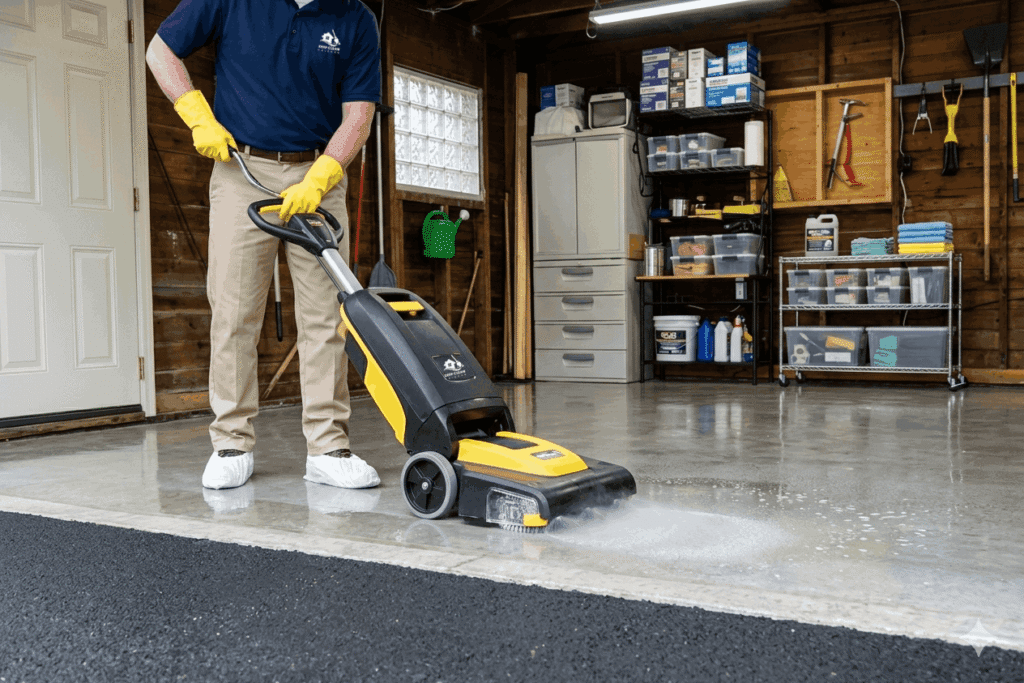
Is your garage overflowing with clutter, dusty boxes, and forgotten tools? You’re not alone. Many Chicago homeowners struggle with keeping their garages organized, turning what should be a functional space into a chaotic storage zone. A messy garage isn’t just an eyesore—it can also reduce home value, create safety hazards, and make it difficult to find essential items when you need them. This comprehensive garage cleaning guide will help you reclaim your space. From deep-cleaning strategies to smart storage solutions, you’ll learn how to transform your garage into a clean, organized, and functional area. Why Garage Clutter Happens Garages often become dumping grounds for items that don’t fit inside the home. Common issues include: Accumulated clutter Old tools, seasonal decorations, and unused equipment pile up over time. Dust and dirt buildup Garages collect dust, grease, and debris, making them harder to maintain. Safety hazards Cluttered floors and improperly stored chemicals or tools can cause accidents. Inefficient storage Poorly organized shelves and cabinets lead to wasted space and frustration. In Chicago, with its harsh winters and humid summers, garages also face additional challenges such as snow residue, salt damage, and mold growth—making professional garage cleaning more essential than ever. Step-by-Step Garage Cleanup Checklist Step 1: Clear Out Everything Remove all items and sort them into four categories: Keep Donate or Sell Recycle Trash This process helps you identify what truly belongs in your garage. Step 2: Deep Clean Surfaces Sweep and vacuum floors to remove dust and debris Scrub walls, ceilings, and corners to eliminate cobwebs Power wash floors to remove grease and stains Step 3: Inspect and Repair Check for water leaks, cracks, or mold Repair lighting, shelving, and door tracks Ensure everything is safe and functional Step 4: Organize and Maximize Space Install wall-mounted racks or pegboards Use labeled bins for small tools Add ceiling storage for seasonal items Consider modular shelving for heavy equipment Step 5: Maintain Your Garage Schedule monthly cleanups Sweep regularly Keep storage systems organized Deep Garage Cleaning Guide: Top 7 Tips & Benefits of a Clean Garage Enhanced Safety Reduce tripping hazards and properly store dangerous items More Storage Space Free up room for vehicles or projects Improved Home Value Appeal to potential buyers Easier Access Quickly find tools and seasonal items Better Air Quality Reduce dust and mold Stress Reduction Enjoy a clean, organized space Long-Term Savings Protect tools and stored items from damage Real-Life Example: Chicago Garage Transformation Case Study: The Johnson Family – Lincoln Park The Johnson family had a cluttered garage filled with sports gear, holiday decorations, and tools. After following a structured plan: Donated 40% of unused items Installed ceiling racks and labeled bins Created space for two vehicles Result:They now spend 50% less time searching for items and enjoy a safer, more functional garage. Ready to reclaim your Chicago garage? Schedule a professional garage cleaning consultation today and discover customized solutions for your home. Your organized, clutter-free garage is just one call away. Get Your Free Cleaning Quote Today Questions? We’ve Got Answers How often should I deep clean my garage? Ideally, deep clean your garage twice a year—once in spring and once in fall—to remove dust, debris, and seasonal clutter. What are the best storage solutions for small garages? Use vertical wall racks, overhead ceiling storage, and stackable bins to maximize limited space efficiently. Can I handle garage cleaning myself, or should I hire professionals? Simple decluttering can be DIY, but professional services provide thorough deep cleaning, power washing, and optimized storage solutions. How do I prevent mold and moisture in a Chicago garage? Seal cracks, use a dehumidifier, and ensure proper ventilation, especially during humid summers or after snowmelt. Extra Deep Garage Cleaning Tips & Organization Advice Label Everything: Makes organization easy to maintain Seasonal Rotation: Store winter and summer items separately DIY Upcycling: Repurpose old cabinets for storage Garage Flooring Options: Use epoxy coatings or rubber mats for durability AREAS WE SERVE IN CHICAGO Local gARAGE Cleaning Services Across Chicago Neighborhoods Our professional cleaning team provides services throughout Chicago and nearby communities. Popular service areas include: Downtown Chicago Lincoln Park Lakeview River North Logan Square Naperville Wicker Park Hyde Park West Loop South Loop Gold Coast Evanston Oak Park Schaumburg All nearby Chicago suburbs If you’re searching for Professional Deep Garage Cleaning Services near me in Chicago, our team is ready to help. Conclusion A cluttered garage doesn’t have to stay that way. With a structured plan, smart storage solutions, and regular maintenance, you can transform your garage into a clean, safe, and functional space. No risk. No stress. Just results you’ll love. Start today—and enjoy the benefits of a more organized life tomorrow. Book Now