
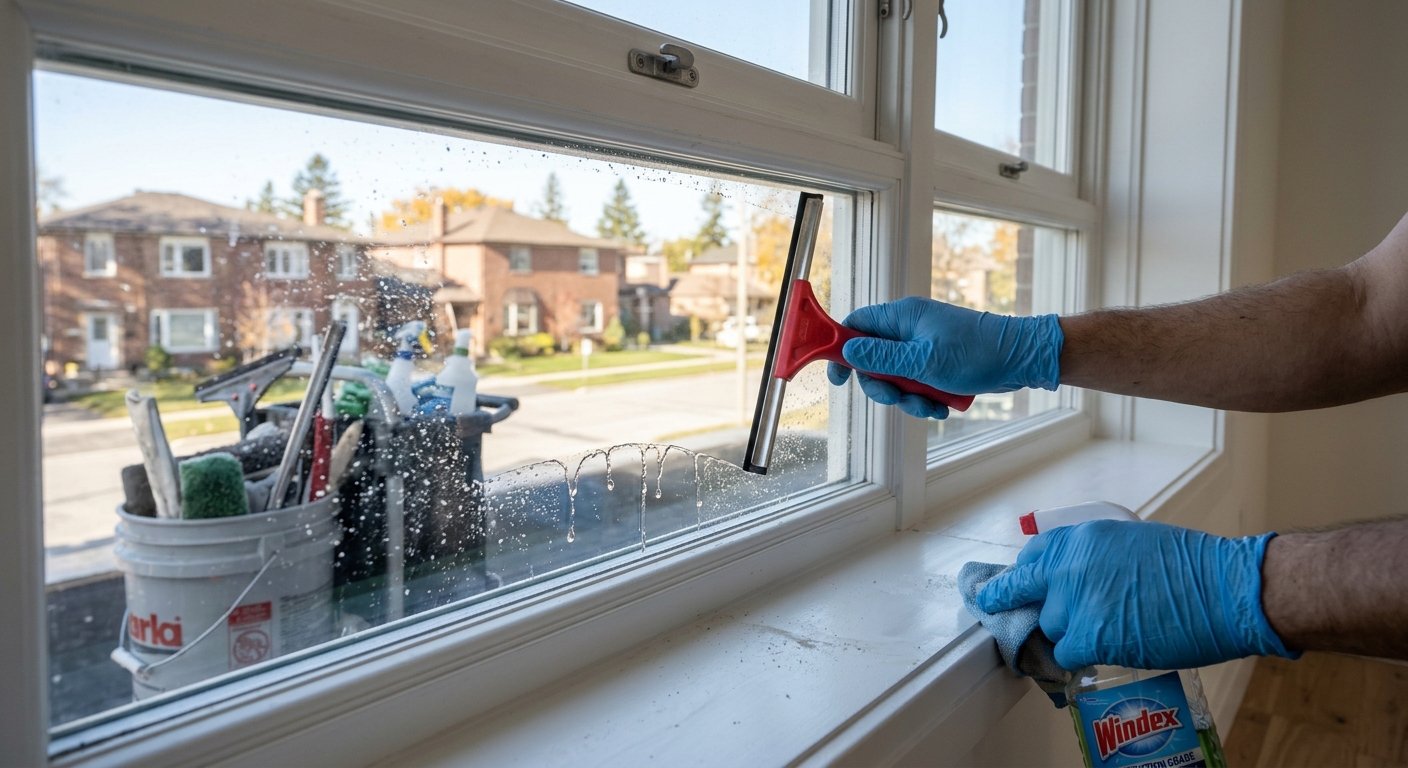
How to Clean New Windows and Tracks Safely
New windows can look cloudy, streaked, or dusty immediately after a renovation, even when the rest of the room appears clean. Drywall dust, sawdust, fingerprints, caulk residue, and construction debris can collect on glass, frames, window tracks, and sills. If these materials are removed incorrectly, they can scratch glass, damage new finishes, or interfere with window operation.
Post-construction window cleaning in Chicago focuses on removing appropriate construction dust and surface residue from newly installed or renovation-affected windows. A thorough cleaning addresses more than the glass: frames, tracks, sills, corners, and accessible hardware also need attention. The right method depends on the window material, the type of residue, the manufacturer's care instructions, and whether the windows are safe to access.
This guide explains how to clean new windows after construction, how to approach dusty tracks, which residues require extra caution, what professional window cleanup may include, and when to bring in a specialist.
Why Do New Windows Need Post-Construction Cleaning?
Construction and remodeling create fine particles that travel beyond the immediate work area. Window openings and horizontal tracks can trap dust, while glass makes smears and residue especially visible in daylight.
Drywall and Joint-Compound Dust
Fine powder can settle on glass, frame corners, sills, and sliding tracks. Dry removal methods should be used carefully to avoid rubbing abrasive particles across the glass.
Sawdust and Installation Debris
Wood particles, packaging fragments, and small pieces of debris can accumulate around newly fitted frames and hardware.
Caulk, Paint, and Adhesive Residue
Installation and finishing work can leave spots on glass or frames. The safest removal method depends on the substance and the window manufacturer's guidance.
Fingerprints and Handling Marks
Installation crews may leave fingerprints, smudges, and handling marks that remain visible after the surrounding construction dust is removed.
Window cleaning should usually happen after dusty construction tasks have finished. If sanding, cutting, painting, or other finishing work is still underway, cleaned windows may need to be cleaned again.
The most important rule: Never scrub dry construction dust across window glass. Remove loose particles with a suitable, non-abrasive method before using a wet applicator or squeegee.
What Does Post-Construction Window Cleaning Include?
The scope varies with the property, window design, and level of construction residue. A standard glass-cleaning appointment may not include detailed track cleaning, adhesive removal, or high exterior windows. Confirm these tasks before booking.
Window Glass
Remove loose dust, fingerprints, and compatible surface dirt, then clean the glass using appropriate tools to minimize streaking and scratching.
Window Frames
Clean accessible frame surfaces and corners using methods suitable for the frame material, finish, and manufacturer's instructions.
Tracks and Channels
Remove accessible loose debris from sliding-window channels, drainage areas, and corners without blocking weep holes or damaging moving parts.
Sills and Trim
Address accumulated dust, fingerprints, and suitable surface residue on interior sills and surrounding trim.
Tasks That May Require a Separate Service
Not every window-cleaning service includes every type of construction cleanup. Ask whether the quote covers:
- Exterior glass on upper floors or otherwise difficult-to-access windows.
- Removal of hardened paint, silicone, caulk, mortar, or adhesive.
- Cleaning removable screens and detailed screen-frame work.
- Window wells, storm windows, or specialty glazing.
- Heavy debris removal from tracks and surrounding construction areas.
- Post-construction cleaning throughout the rest of the property.
For broader renovation cleanup, see post-construction cleaning services in Chicago. If windows are only one part of a larger project, coordinating them with the overall cleaning schedule can reduce repeat work.
How to Clean New Windows After Construction
The safest process starts with identifying the glass and frame materials, checking for manufacturer restrictions, and removing loose particles before applying liquid. Newly installed windows may have protective coatings, labels, films, or sealants that require special care.
Identify residue and surface restrictions.
Use a suitable non-abrasive method.
Address accessible debris carefully.
Use a compatible cleaning solution.
Remove excess liquid and inspect.
Step 1: Inspect the Glass, Frame, and Labels
Look for construction dust, paint splashes, scratches, protective film, and residue near the edges. Check the window documentation if you are unsure whether the glass has a special coating. Do not assume that every new window can be cleaned with the same chemicals or tools.
Step 2: Remove Loose Construction Dust
Use a suitable vacuum with a soft brush attachment or another manufacturer-approved dust-removal method. Keep tools clean and avoid pressing grit against the glass. Do not use abrasive pads, dry paper towels, or rough cloths to rub away powder.
Step 3: Clean the Frames and Tracks
Remove accessible debris with a soft brush or vacuum attachment, then use a compatible damp cloth where appropriate. Avoid flooding tracks, soaking unfinished wood, or forcing moisture into seals and drainage openings. Follow the manufacturer's instructions for moving parts and lubrication.
Step 4: Wash the Glass
Apply a suitable glass-cleaning solution with a clean, non-abrasive applicator. Work in manageable sections and avoid allowing dirty water to dry on the surface. If the glass manufacturer specifies a particular solution, use that guidance instead of a generic cleaner.
Step 5: Squeegee, Dry, and Inspect
Use a clean squeegee if it is suitable for the glass, wiping the blade between passes. Dry edges and nearby frames with a soft cloth, then inspect the window from different angles. Remaining spots should be identified before stronger products or scraping tools are considered.
How to Clean Window Tracks After Construction
Window tracks collect more than visible dust. Small particles can mix with moisture, sealant residue, and debris to form a paste that interferes with sliding or locking mechanisms. Cleaning tracks separately from the glass helps prevent this material from being spread across newly cleaned surfaces.
- Check the window design. Identify removable components and consult the manufacturer's instructions before disassembly.
- Vacuum loose debris. Use a narrow attachment that fits the channel without damaging seals or hardware.
- Brush corners carefully. A soft detailing brush can loosen accessible dust from corners and crevices.
- Wipe compatible surfaces. Use a lightly damp, non-abrasive cloth if the material and finish permit it.
- Keep drainage paths clear. Do not pack debris into drainage slots or block the small openings designed to direct water out of the frame.
- Check operation. Once the area is dry, make sure the window moves and locks as expected. Do not force a window that sticks.
If a track contains hardened construction material, damaged hardware, or residue that cannot be removed safely, stop and consult the installer or an appropriate specialist. Aggressive scraping may damage the track finish, weatherstripping, or nearby glass.
Often overlooked: A window can have spotless glass but still have dusty tracks and sills. Those areas can release particles back into the room when the window is opened or moved.
How to Remove Paint, Caulk, and Adhesive From New Windows
Construction residue is not all the same. A water-based paint spot, a silicone smear, a sticker adhesive, and a mineral deposit may need different treatment. Choosing a product or tool before identifying the residue can create permanent damage.
Paint Splashes
Identify the paint type and check the glass or frame manufacturer's guidance. Avoid assuming that a blade or solvent is safe, particularly on coated glass and finished frames.
Caulk and Silicone
Fresh and cured sealants behave differently. Do not pull at window seals or use solvents near them without confirming compatibility.
Sticker and Adhesive Residue
Check whether protective labels are intended to be removed and follow the installer’s directions. Test an approved residue remover in an inconspicuous location when permitted.
Mortar and Cement Splashes
These materials can be abrasive or chemically reactive. Avoid acidic cleaners and improvised scraping, especially on coated glass, metal frames, stone sills, or nearby finishes.
Before treating any stubborn spot, consider these questions:
- Is the residue on the glass, the frame, a coating, or the sealant?
- Is the glass tempered, coated, tinted, or otherwise subject to special care requirements?
- Does the window manufacturer approve the proposed cleaner or removal tool?
- Could the product damage nearby paint, metal, wood, stone, seals, or weatherstripping?
- Can the residue be removed without scraping, excessive pressure, or harsh chemicals?
If you cannot identify the residue or verify a safe removal method, contact the window installer or a specialist experienced with post-construction glass cleaning. Some scratches, etching, and chemical damage cannot be reversed through ordinary cleaning.
Common Mistakes When Cleaning Windows After Renovation
Scrubbing Dust Into the Glass
Dry particles can act as abrasives. Remove loose debris before using a cloth, applicator, or squeegee.
Using a Razor Without Checking
Scrapers can scratch certain glass types, damage coatings, and cut seals. Use them only when the manufacturer explicitly permits the tool and technique.
Applying Harsh Chemicals
Solvents and acidic or alkaline cleaners may damage frames, coatings, sealants, and nearby finishes. Verify compatibility first.
Ignoring Tracks and Sills
Dust left in these areas can spread back onto cleaned glass or into the room. Include accessible channels and ledges in the plan.
Cleaning Before Construction Ends
Ongoing sanding, drilling, and finishing work can contaminate windows again. Schedule final cleaning after dusty work is complete.
Attempting Unsafe Exterior Access
Do not lean out of windows or use unstable ladders to reach exterior glass. Difficult-to-access windows may require trained professionals and appropriate equipment.
DIY Window Cleaning vs. Professional Post-Construction Window Cleaning
DIY cleaning may be appropriate for light dust and ordinary fingerprints on accessible windows. Professional service becomes more useful when the job involves many windows, substantial construction residue, difficult access, or uncertainty about safe removal methods.
When DIY May Be Suitable
- Windows are safely accessible from the ground or inside.
- Residue is limited to loose dust and ordinary smudges.
- Manufacturer-approved cleaning instructions are available.
- No hardened construction material or suspected glass damage is present.
When to Consider a Professional
- A renovation has affected many windows across the property.
- Tracks, frames, and glass contain extensive construction dust.
- Exterior windows are high, difficult to access, or otherwise hazardous.
- Residue needs careful identification before treatment.
- Window cleaning must be coordinated with a larger post-construction clean.
For a larger residential renovation or commercial build-out, a professional can help define the scope, identify areas requiring special care, and coordinate window cleaning with the rest of the property. However, specialized restoration, glass replacement, and repairs may still require separate providers.
What Affects the Cost of Post-Construction Window Cleaning in Chicago?
Pricing depends on the work required rather than simply the number of windows. A quote should reflect access, window design, residue severity, and the difference between routine glass washing and detailed construction cleanup.
Number and Size of Windows
Larger panes and a higher window count generally increase the area to be cleaned and the time needed.
Interior vs. Exterior Access
Ground-level interior glass differs from upper-story exterior windows that need specialized access arrangements.
Type of Construction Residue
Loose dust and fingerprints are different from hardened paint, adhesive, mortar, or silicone contamination.
Tracks, Frames, and Screens
Detailed track cleaning, frame work, screen cleaning, and sill detailing may be priced separately from glass cleaning.
Window Materials and Coatings
Specialty glazing, delicate finishes, and manufacturer-specific restrictions can affect the products and methods that are appropriate.
Project Timing and Access
Cleaning during an active renovation or coordinating around contractors, tenants, building rules, and other trades can affect scheduling and scope.
For an accurate estimate, share the approximate number of windows, their accessibility, the types of residue present, and whether you need glass-only cleaning or a full service covering frames, tracks, and sills. Ask how stubborn construction residue and any specialist treatments will be handled.
Scheduling Window Cleaning During a Chicago Renovation
The most effective time to clean windows is generally after dusty construction work is finished and before the final property inspection or move-in, provided the windows and surrounding finishes are ready for cleaning.
For properties with several trades working at once, confirm the schedule with the general contractor. Painting, sanding, flooring installation, masonry work, and exterior work may create additional dust or residue after an initial window clean.
- Confirm that cutting, sanding, and other dusty activities are complete.
- Ask the installer whether protective films, labels, and sealants are ready for cleaning.
- Identify windows that need special care or are unsafe to access.
- Coordinate window cleaning with final interior dust removal and floor cleaning.
- Inspect the glass in natural light and check tracks, sills, and frame corners.
- Keep cleaned windows protected from subsequent trade work where possible.
For whole-property cleanup, the article rough clean vs. final clean explains why construction cleanup is often planned in stages rather than treated as a single appointment.
Window Cleaning Checklist for Contractors and Property Owners
Use this checklist before signing off on post-construction window cleaning or preparing a renovated property for occupancy.
- Glass has been checked for dust, fingerprints, streaks, and visible residue.
- Frames and corners have been cleaned using compatible methods.
- Accessible tracks and channels are free of loose construction debris.
- Window sills and surrounding trim have been addressed.
- Drainage openings remain clear and seals have not been disturbed.
- Protective films and labels have been handled according to installer instructions.
- Stubborn residue has been identified and referred for suitable treatment where necessary.
- Exterior windows have been cleaned only where safe access and the agreed scope permit it.
- The windows open, close, and lock as expected without forcing the hardware.
- Any scratches, cracks, installation issues, or suspected damage have been documented separately from cleaning concerns.
Cleaning is not a substitute for a window installation inspection. If a pane is scratched, a seal appears defective, a frame is damaged, or a window does not operate correctly, document the issue and contact the installer or relevant contractor.
Frequently Asked Questions
What is post-construction window cleaning?
Post-construction window cleaning removes appropriate dust, fingerprints, and construction-related surface residue from glass, frames, tracks, and sills after building or renovation work. The exact scope depends on window materials, residue, access, and the agreed service.
When should new windows be cleaned after installation?
Clean them after dusty construction tasks are complete and when the installer confirms that the glass, frames, sealants, and surrounding finishes are ready. Follow any instructions about protective films, curing times, and approved cleaning products.
How do you remove drywall dust from new windows?
First remove loose dust with a suitable non-abrasive method, such as an appropriate vacuum attachment. Then clean compatible glass and frame surfaces with approved tools and solutions. Avoid dry scrubbing, which can drag abrasive particles across the glass.
How do I clean window tracks after construction?
Vacuum loose debris, brush accessible corners gently, and wipe compatible surfaces with a lightly damp cloth if permitted. Keep drainage openings clear, avoid flooding the track, and do not disassemble hardware unless the manufacturer allows it.
Can I use a razor blade to remove paint from new windows?
Do not assume a razor blade is safe. Some glass types, coatings, and frame finishes can be scratched or damaged by scraping. Check the manufacturer's guidance and use a specialist if the permitted removal method is unclear.
Does post-construction window cleaning include exterior glass?
Not always. Some services cover interior glass only, while others include accessible exterior windows. Upper-floor access, safety equipment, screens, and difficult-to-reach surfaces should be clarified in the quote.
Why do my windows look cloudy after construction?
Cloudiness may come from fine dust, cleaning residue, paint or adhesive contamination, mineral deposits, or actual glass or coating damage. If compatible cleaning does not resolve the problem, have the residue or surface condition assessed before using stronger products.
Will ordinary window cleaner remove construction adhesive or silicone?
Not necessarily. Cured silicone and construction adhesives may require a material-specific method. Check the glass and frame manufacturer's guidance before applying solvents or using scraping tools.
Should window tracks be cleaned before or after the glass?
It is generally practical to remove loose debris from tracks and frames before washing the glass. This reduces the chance of dirty material spreading onto freshly cleaned panes. Finish with a final inspection of the entire window.
How much does post-construction window cleaning cost in Chicago?
The cost depends on window count and size, access, residue type, and whether frames, tracks, sills, screens, or exterior glass are included. Request a quote based on the actual window conditions rather than assuming that standard glass cleaning covers construction residue.
Can window cleaning be completed while contractors are still working?
It may be possible to clean completed areas in stages, but final window cleaning is usually more effective after dusty tasks have finished. Otherwise, new dust and residue may require another cleaning appointment.
Need Post-Construction Window Cleaning in Chicago?
New windows deserve careful cleaning that addresses glass, frames, tracks, and accessible sills without risking damage to fresh finishes. Whether you are preparing a renovated home, apartment, condo, or commercial space, start by identifying the residue, window materials, and areas that need attention.
Explore post-construction cleaning in Chicago for broader renovation cleanup, or contact Deep Clean Chicago to discuss your property's cleaning needs and the scope of work required.
Request a Cleaning QuoteFor more cleaning advice, visit the Deep Clean Chicago blog.