
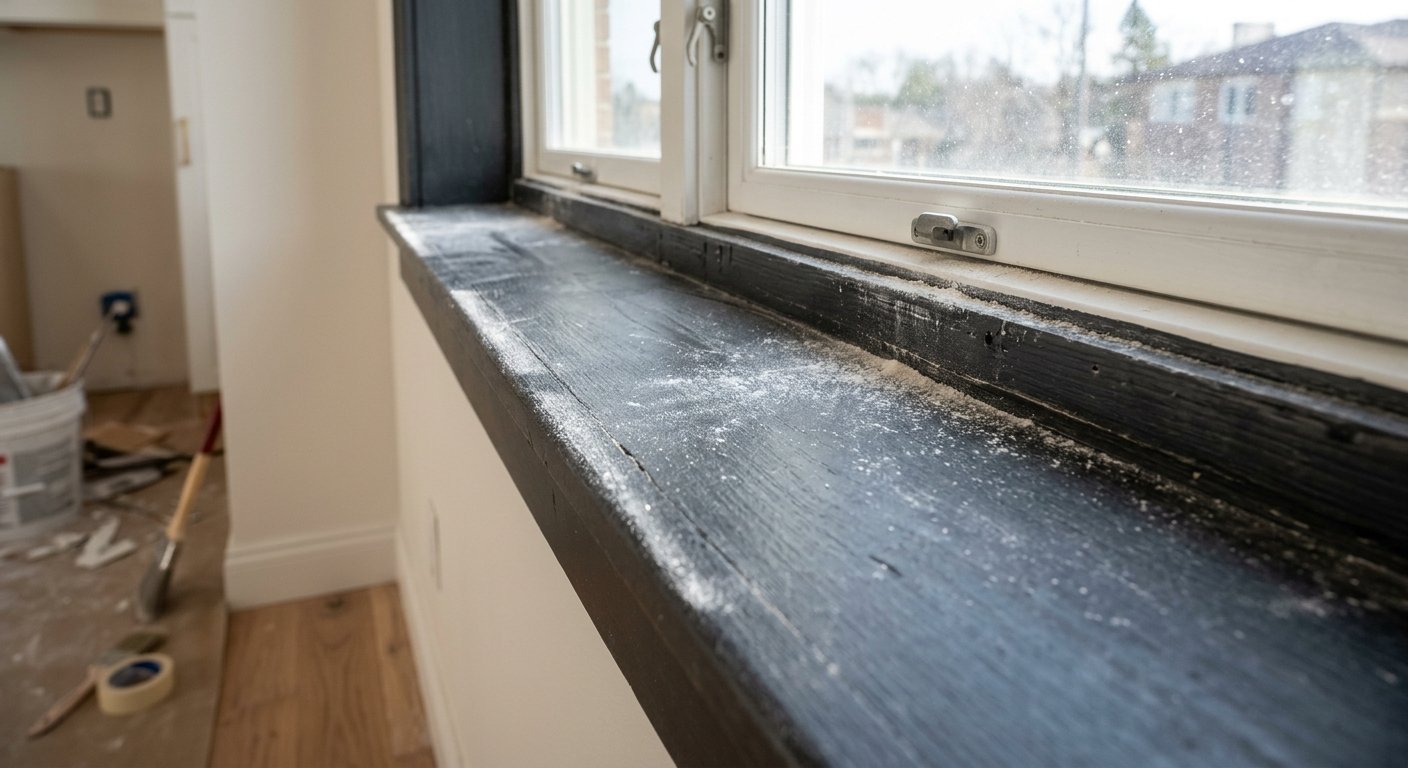
If you wipe down a room after remodeling only to find a fresh layer of white powder on your furniture, floors, or windowsills the next day, you are not alone. Drywall dust is extremely fine, spreads easily, and can remain in overlooked areas long after sanding appears to be finished.
The answer to why does drywall dust keep coming back is usually a combination of hidden dust deposits, airborne particles settling onto cleaned surfaces, ongoing construction activity, and cleaning methods that move dust around instead of removing it. The solution is to control the source, capture fine particles effectively, and clean the room in a systematic order.
Why Does Drywall Dust Keep Coming Back After Cleaning?
Drywall dust often reappears because the first cleaning removes visible residue without removing every dust deposit from the room. When air moves, people walk through the space, or heating and cooling systems operate, remaining particles can become airborne and settle again.
Drywall joint compound and sanding residue can create a particularly fine powder. These particles may collect on upper trim, door frames, window tracks, cabinet interiors, flooring edges, and other surfaces that are easy to overlook during a quick cleanup.
The important distinction: Dust that appears after cleaning is not always newly created dust. It may be old residue returning from hidden surfaces, airborne particles settling again, or fresh dust from unfinished work.
Identifying which of these situations applies to your room helps you avoid repeating the same ineffective cleaning routine.
7 Reasons Drywall Dust Keeps Returning
1. Dust Is Still Settling From the Air
Fine particles disturbed during sanding or cleanup can remain suspended temporarily before settling on horizontal surfaces. A freshly wiped table may collect another visible layer while the surrounding room is still dusty.
2. Hidden Surfaces Still Hold Dust
Dust accumulates on top of door casings, window frames, baseboards, shelving, cabinet tops, and other neglected surfaces. Air movement or normal activity can dislodge it after the floor has been cleaned.
3. Sanding or Construction Is Continuing
Even small amounts of additional drywall sanding, drilling, cutting, or patching can produce new dust. Cleaning before these tasks finish often means cleaning the same areas again.
4. The Vacuum Is Not Capturing Fine Dust
A vacuum without suitable fine-particle filtration may release some collected dust back into the room. An overloaded filter or poorly sealed equipment can also reduce effective dust capture.
5. Dry Dusting Is Moving Particles Around
Dry cloths, feather dusters, and vigorous sweeping can lift fine residue into the air. Some particles settle elsewhere instead of being captured and removed.
6. HVAC Airflow Is Redistributing Dust
Heating, ventilation, and air conditioning systems can move existing dust when contaminated surfaces or components are disturbed. Airflow may also carry particles between connected spaces.
7. Dust Is Entering From Adjacent Rooms
Open doorways, shared hallways, unsealed work areas, and contractor traffic can allow fresh construction dust to enter a room that has already been cleaned.
8. The Cleaning Order Is Ineffective
Cleaning floors before upper surfaces, trim, shelves, and other dust-holding areas can leave the floor dirty again. A top-to-bottom approach reduces this problem.
How to Tell Whether Dust Is Settling or Being Reintroduced
Before cleaning everything again, look at when and where the dust returns. The pattern can help you identify the likely source and choose a more effective response.
| What You Notice | Possible Cause | What to Check |
|---|---|---|
| A thin powder appears on several surfaces a few hours after cleaning. | Residual airborne dust settling. | Upper ledges, trim, shelves, and other surfaces that may still hold dust. |
| Dust increases after workers return. | New sanding, drilling, cutting, or other construction activity. | Whether all dust-producing work has finished and the work area is contained. |
| Dust collects around supply vents or returns. | Possible redistribution through airflow or dust around the HVAC system. | Visible residue around accessible vent covers and whether construction dust control was adequate. |
| Dust appears along doorways and hallways. | Particles tracked or carried in from other areas. | Contractor traffic, door openings, and separation between work and clean zones. |
| Dust remains in corners and along floor edges. | Incomplete vacuuming or residue left by sweeping. | Floor edges, baseboards, furniture gaps, and vacuum performance. |
These observations are clues, not definitive tests. If dust continues to return despite source control and thorough cleaning, assess the work area and airflow before assuming the entire HVAC system needs cleaning.
How to Stop Drywall Dust From Coming Back
The most effective approach combines source control, appropriate equipment, and a consistent cleaning sequence. Simply wiping the same surface repeatedly will not solve the problem if construction dust is still entering the room or being released from other surfaces.
Stop dust-producing work
Contain the work area
Clean high surfaces first
Capture dust with suitable equipment
Wipe compatible surfaces
Recheck after settling
1. Finish Dust-Producing Work First
Ask contractors to complete drywall sanding, patching, drilling, and other dust-generating tasks before the final cleaning. If additional work is unavoidable, isolate the work zone and plan for another cleanup afterward.
2. Contain the Dust at Its Source
During active construction, appropriate barriers and dust-control methods help prevent particles from spreading into finished rooms. Depending on the work, this may involve separating the work area, using suitable extraction equipment, and following contractor dust-control procedures.
Keep doors between construction zones and clean areas closed when practical. Avoid creating airflow patterns that carry dust into occupied spaces.
3. Clean From High Surfaces Downward
Start with accessible upper surfaces and work toward the floor. Dust door frames, shelving, ledges, trim, and other included surfaces before cleaning furniture, lower surfaces, and flooring.
Use a method that captures particles instead of scattering them. Avoid shaking dusty cloths indoors or using compressed air to blow residue off surfaces.
4. Use a Vacuum Designed for Fine Dust
Choose equipment suitable for fine construction dust, with appropriate filtration and effective seals. Depending on the job, a properly maintained HEPA-filtered vacuum or suitable dust extractor may be appropriate.
Follow the equipment manufacturer's instructions for drywall dust, filter maintenance, bag replacement, and disposal. A household vacuum is not automatically suitable for substantial construction dust, particularly if its filtration or seals are inadequate.
5. Wipe Hard Surfaces With the Right Method
After loose dust has been captured, use a clean microfiber cloth or another compatible method to remove remaining residue from suitable surfaces. Lightly damp wiping can help prevent dust from becoming airborne, but excessive moisture may damage unfinished wood, drywall, flooring, or other sensitive materials.
Change cloths when they become visibly dirty. Reusing a heavily loaded cloth can spread residue across surfaces instead of removing it.
6. Clean Floors Last
Once upper surfaces and other dust-holding areas have been addressed, vacuum the floor carefully, including corners and edges. Use a damp mop only on flooring that tolerates moisture and only after loose dust has been removed.
7. Recheck Before Declaring the Room Finished
Allow the area to settle after cleaning and check whether visible dust returns. If it does, investigate remaining deposits, ongoing work, or airflow rather than immediately repeating the entire process without identifying the cause.
Which Cleaning Tools Work Best for Drywall Dust?
Different tools serve different purposes. The best combination depends on how much dust is present, the surface being cleaned, and whether construction is still underway.
HEPA-Filtered Vacuum or Suitable Dust Extractor
Useful for capturing fine particles from compatible floors and accessible surfaces. Check that the equipment is designed for the amount and type of dust involved.
Clean Microfiber Cloths
Useful for removing remaining residue from compatible hard surfaces. Use clean cloths and avoid spreading collected dust into previously cleaned areas.
Soft Brushes and Detail Attachments
Useful for reaching corners, trim, and other accessible details. Choose attachments that will not scratch finished surfaces or damage delicate materials.
Suitable Damp-Cleaning Supplies
Useful for compatible hard surfaces after loose dust has been removed. Test delicate finishes and avoid saturating materials that may be damaged by moisture.
Personal protective equipment may also be needed during cleanup. Follow product labels, equipment guidance, and applicable workplace safety requirements. People with respiratory conditions or significant dust exposure concerns should avoid entering dusty work areas until appropriate controls are in place.
Can Your HVAC System Make Drywall Dust Come Back?
Yes, an HVAC system can contribute to dust redistribution under certain conditions, but recurring dust does not automatically mean that the ducts are dirty.
Construction dust may collect around accessible vent covers, return grilles, or nearby surfaces. If dust enters an operating system, airflow can potentially carry particles to other areas. However, dust on a vent may also have settled there from the room itself.
What You Can Do
- Inspect accessible supply and return grilles for visible residue.
- Follow the HVAC manufacturer's guidance for filter inspection and replacement.
- Ask the renovation contractor how vents and air returns were protected during dusty work.
- Have the system assessed by a qualified HVAC professional if there is evidence that construction debris entered the equipment or dust continues to emerge from the system.
Do not assume that duct cleaning is necessary solely because a room becomes dusty again. Identify the likely source first, and avoid disturbing internal HVAC components unless you are qualified to service them.
How Long Does Drywall Dust Take to Settle?
There is no single settling time for drywall dust. Particle size, room airflow, humidity, disturbance, ventilation, and the amount of dust released all influence how long particles remain airborne and where they eventually collect.
Some particles settle relatively quickly, while finer particles may remain suspended longer under certain conditions. Dust can also be lifted again by footsteps, air movement, opening doors, or further construction work.
Instead of relying on a fixed waiting period, focus on removing the source, controlling airflow and dust migration, cleaning all affected surfaces, and inspecting the room after the initial cleanup.
Practical advice: Waiting alone does not remove drywall dust. Allowing airborne particles to settle can make them easier to capture, but the settled residue still needs to be removed with an appropriate cleaning method.
Common Mistakes That Make Drywall Dust Worse
- Sweeping aggressively: Dry sweeping can lift fine particles into the air. Use appropriate dust-capture equipment instead.
- Using an unsuitable vacuum: Poor filtration or damaged seals can allow fine dust to escape back into the room.
- Cleaning the floor first: Dust from upper surfaces may fall onto the floor after it has been cleaned.
- Cleaning during active sanding: New dust can quickly undo the work.
- Ignoring adjacent rooms: Dust can travel through doorways, shared hallways, and other connected spaces.
- Using too much water: Excess moisture can damage drywall, unfinished wood, and some floor finishes.
- Reusing dirty cloths: Loaded cloths may spread fine residue instead of removing it.
- Assuming all white powder is drywall dust: If the source is uncertain, investigate before cleaning. Some construction materials may require specialist assessment and handling.
When Should You Hire Professional Fine Construction Dust Removal?
Professional cleanup may be worthwhile when dust covers multiple rooms, a renovation has affected both floors of a home, or repeated household cleaning has failed to remove the residue effectively.
A professional service can assess the affected areas, select suitable dust-capture equipment, clean accessible surfaces systematically, and identify tasks that fall outside ordinary cleaning. The appropriate scope depends on the property's condition and the materials involved.
Small DIY Project
For limited patching or minor repairs, careful source control, a suitable vacuum, and systematic surface cleaning may be sufficient.
One Renovated Room
For a kitchen, bathroom, or bedroom remodel, targeted post-construction cleaning may help remove residue from the room and nearby affected areas.
Whole-Home Renovation
Extensive drywall work across multiple rooms may require a coordinated cleanup of floors, trim, cabinets, ledges, and other accessible surfaces throughout the property.
Persistent or Unidentified Dust
If dust continues to appear after construction has stopped and the space has been thoroughly cleaned, investigate possible sources before assuming routine cleaning will solve the problem.
For renovation-related residue, post-construction cleaning services may be an appropriate option. If the property is ready for occupancy and needs a more general detailed clean, consider move-in or move-out cleaning based on the actual condition and required tasks.
For apartments that need ongoing upkeep after construction dust has been removed, apartment and condo cleaning can help maintain the space.
Drywall Dust Cleanup Checklist
Use this checklist to troubleshoot recurring dust and prepare for a more effective final cleanup.
- Confirm that drywall sanding, patching, and other dusty construction work have finished.
- Separate the affected room from ongoing construction areas where practical.
- Check accessible upper ledges, trim, shelving, cabinet tops, and window tracks.
- Use suitable equipment designed to capture fine construction dust.
- Clean compatible hard surfaces with fresh cloths and appropriate products.
- Vacuum floors, edges, and corners after cleaning higher surfaces.
- Inspect accessible vent covers and check HVAC filters according to manufacturer guidance.
- Reduce dust movement from adjacent rooms and contractor traffic.
- Allow the area to settle and inspect for visible residue again.
- Investigate persistent or unusual dust rather than repeatedly cleaning without identifying the source.
Frequently Asked Questions
Why does drywall dust keep coming back after cleaning?
Drywall dust commonly returns because fine particles remain on hidden surfaces, settle from the air, or enter from ongoing construction. Ineffective vacuum filtration and dry dusting can also redistribute particles. Stop the source and clean systematically from high surfaces down.
How do I stop fine drywall dust from settling on furniture?
Finish dusty work, contain the work area, remove loose dust with suitable fine-particle extraction equipment, and wipe compatible surfaces with clean cloths. Check shelves, trim, window frames, and other nearby surfaces that may release dust later.
Does drywall dust eventually go away on its own?
Airborne particles may eventually settle, but that does not remove them from the room. Settled dust can be disturbed again and become airborne. Effective removal requires appropriate cleaning and control of any continuing dust source.
Can a regular household vacuum remove drywall dust?
Some household vacuums may be unsuitable for fine construction dust because of their filtration, seals, or capacity. Use equipment approved for the dust and task, and follow the manufacturer's instructions. A suitable HEPA-filtered vacuum or dust extractor may be appropriate.
Should I mop or vacuum drywall dust first?
Capture loose dust with suitable equipment before damp cleaning. Clean upper surfaces first, then lower surfaces and floors. Mop only flooring that tolerates moisture, and avoid wetting unfinished drywall or other moisture-sensitive materials.
Can air conditioning spread drywall dust throughout a house?
Airflow can redistribute dust if particles enter the system or become airborne near vents. Dust around a grille does not prove that the ducts are contaminated. Inspect accessible areas, check filters according to manufacturer guidance, and seek qualified HVAC assessment if there is evidence of internal contamination.
How many times should I clean after drywall sanding?
The number of passes depends on the amount of dust, the size of the project, and whether new dust is being generated. Extensive renovations may require preliminary cleanup followed by final detailed cleaning. Additional sanding or construction can make another pass necessary.
Is drywall dust dangerous to breathe?
Drywall dust can irritate the eyes, skin, nose, and respiratory tract, particularly with substantial exposure. Minimize airborne dust, use appropriate protective equipment, and follow relevant safety guidance. If the dust may contain asbestos, lead, or another hazardous material, do not disturb it and seek qualified assessment.
When should I hire a professional for fine construction dust removal?
Consider professional help when dust affects multiple rooms, follows a major renovation, or continues returning despite careful cleaning. A provider can define an appropriate scope and use suitable equipment. Suspected hazardous materials require specialized assessment and remediation rather than ordinary cleaning.
Does post-construction cleaning remove every particle of drywall dust?
Professional cleaning aims to remove visible and accessible construction residue, but no ordinary cleaning service should promise that every airborne or concealed particle will be eliminated. Results depend on the work completed, dust containment, building conditions, and whether new dust enters the space.
Still Dealing With Drywall Dust After Renovation?
Repeated dust buildup can make a newly renovated home feel unfinished. A systematic cleanup can address accessible surfaces, floors, and other areas where fine construction dust collects.
If your Chicago property needs a more thorough post-renovation cleanup, explore Deep Clean Chicago's service options and describe the rooms affected, the type of work completed, and whether construction is fully finished.
Explore Post-Construction Cleaning